Japanese Soufflé Pancakes: Soft, Jiggly & Irresistible – A Fluffy Brunch Favorite
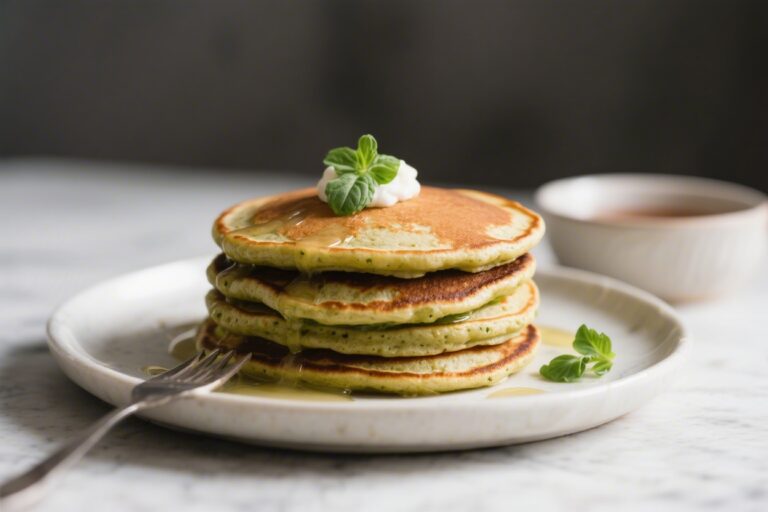
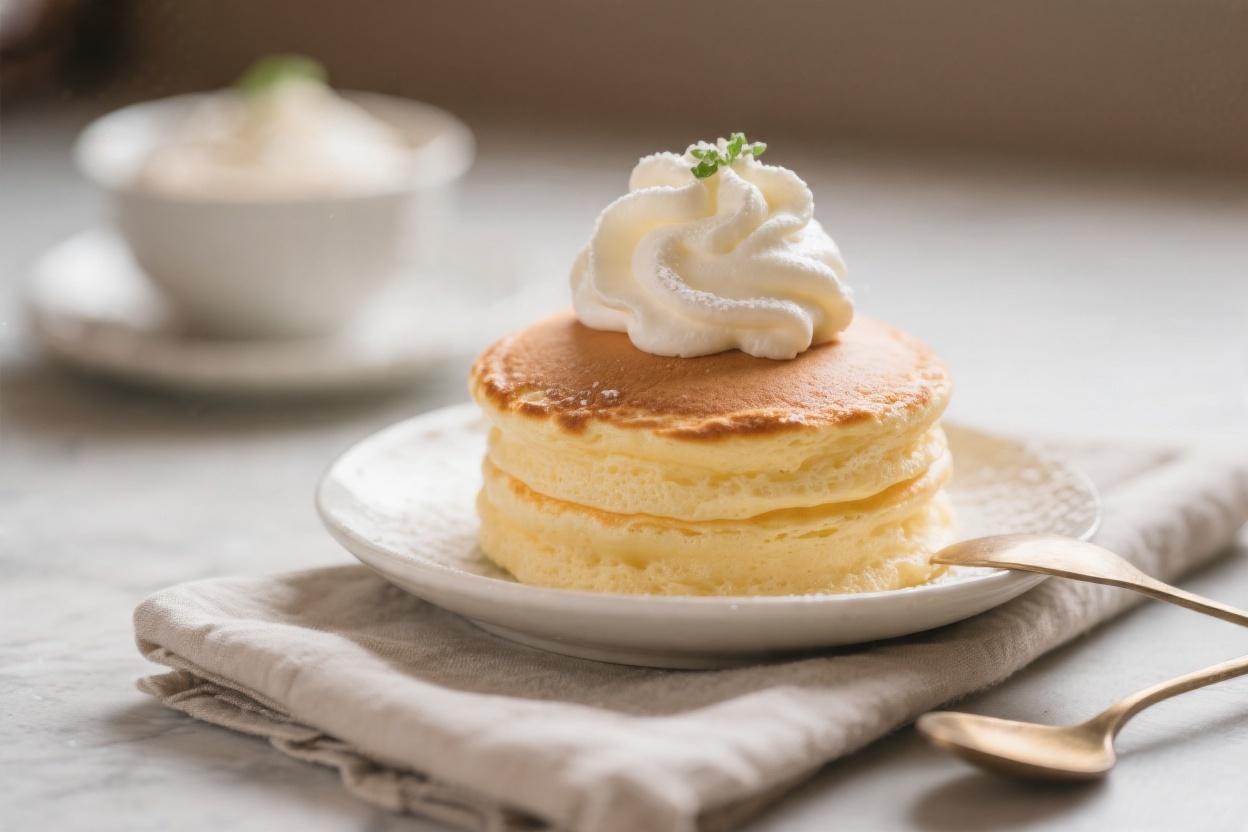
These tall, cloud-like pancakes are a treat you’ll want to master at home. Light, airy, and a little jiggly, they’re a playful twist on a breakfast classic. While they look fancy, the method is simple once you know a few tricks.
With a proper meringue and gentle heat, you’ll get pancakes that are soft inside and golden outside. Serve them warm with powdered sugar, syrup, and berries, and watch them disappear fast.
Japanese Soufflé Pancakes: Soft, Jiggly & Irresistible – A Fluffy Brunch Favorite
Ingredients
- 2 large eggs, separated (room temperature)
- 2 tablespoons whole milk (or oat milk)
- 1/2 teaspoon vanilla extract
- 1/3 cup (40 g) cake flour (or all-purpose flour, sifted)
- 1/2 teaspoon baking powder
- 3 tablespoons sugar, divided
- 1/8 teaspoon cream of tartar (or 1/2 teaspoon lemon juice)
- Pinch of salt
- Neutral oil or butter, for the pan
- 1–2 tablespoons water, for creating steam in the pan
- Optional toppings: powdered sugar, maple syrup, whipped cream, berries, lemon curd
Instructions
- Prep your tools. Use a large nonstick skillet with a lid. Wipe it lightly with oil, then remove excess with a paper towel. Set heat to low to pre-warm while you make the batter.
- Separate the eggs. Place yolks in one bowl and whites in a clean, grease-free mixing bowl. Any grease will deflate the meringue, so make sure the bowl and whisk are spotless.
- Make the yolk batter. Whisk yolks, milk, and vanilla until smooth. Sift in flour, baking powder, a pinch of salt, and 1 tablespoon sugar. Mix just until combined; don’t overwork.
- Whip the meringue. Beat egg whites on medium until foamy. Add cream of tartar. Gradually sprinkle in the remaining 2 tablespoons sugar, beating to glossy medium-stiff peaks. The tip should stand and curl slightly.
- Fold gently. Add one-third of the meringue to the yolk batter and fold to lighten. Add the rest in two additions, using a spatula to lift and turn. Keep as much air as possible.
- Portion the batter. Keep heat on low. Spoon three mounds of batter into the skillet, spacing them out. Pile the batter high rather than wide.
- Add steam and cover. Drip about 1 tablespoon water into an empty area of the pan (not on the batter). Cover immediately to trap steam.
- Cook low and slow. After 2 minutes, add a little more batter on top of each mound to boost height. Cover again and cook for another 3–4 minutes, until bottoms are golden and sides look set.
- Flip carefully. Use two spatulas to gently flip each pancake. If they resist, cook another minute before trying. Add a splash of water again, cover, and cook 3–4 minutes more.
- Check doneness. Pancakes should spring back when pressed and feel set but soft. If wobbly-wet, cover and give them another 1–2 minutes on very low heat.
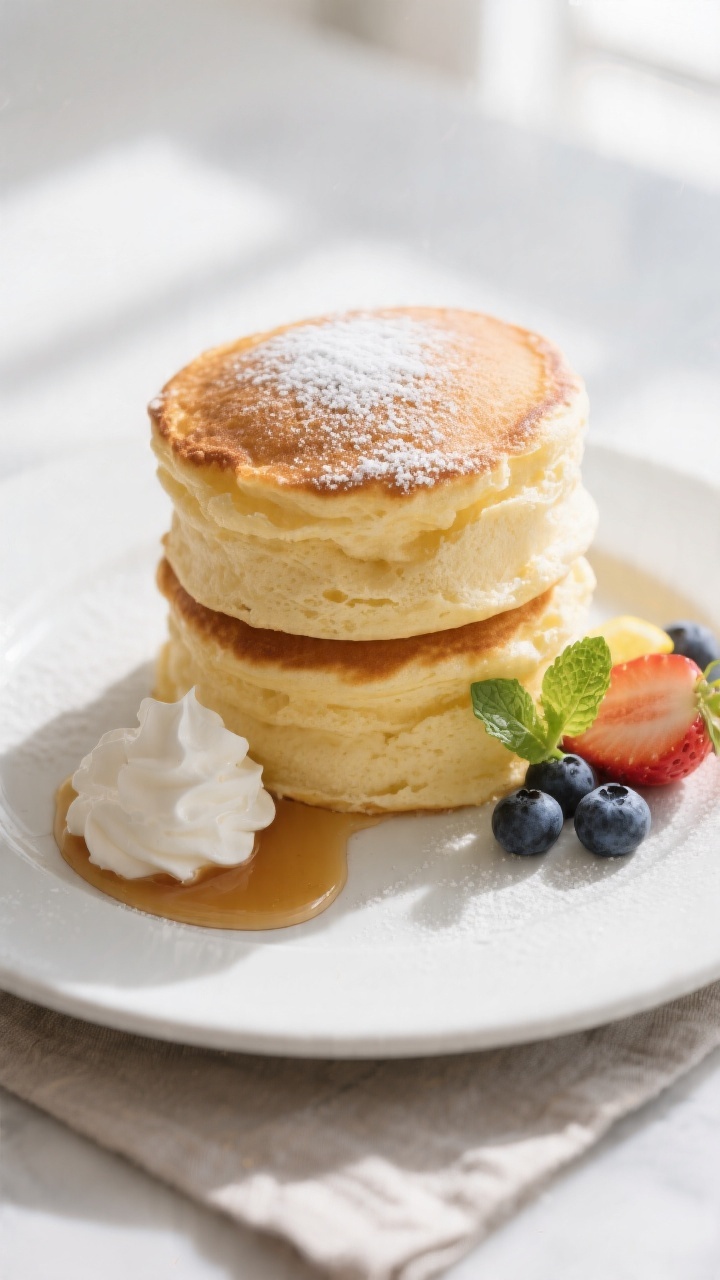
- Serve immediately. Dust with powdered sugar and add your favorite toppings. These are best enjoyed right away while still warm and jiggly.
What Makes This Special
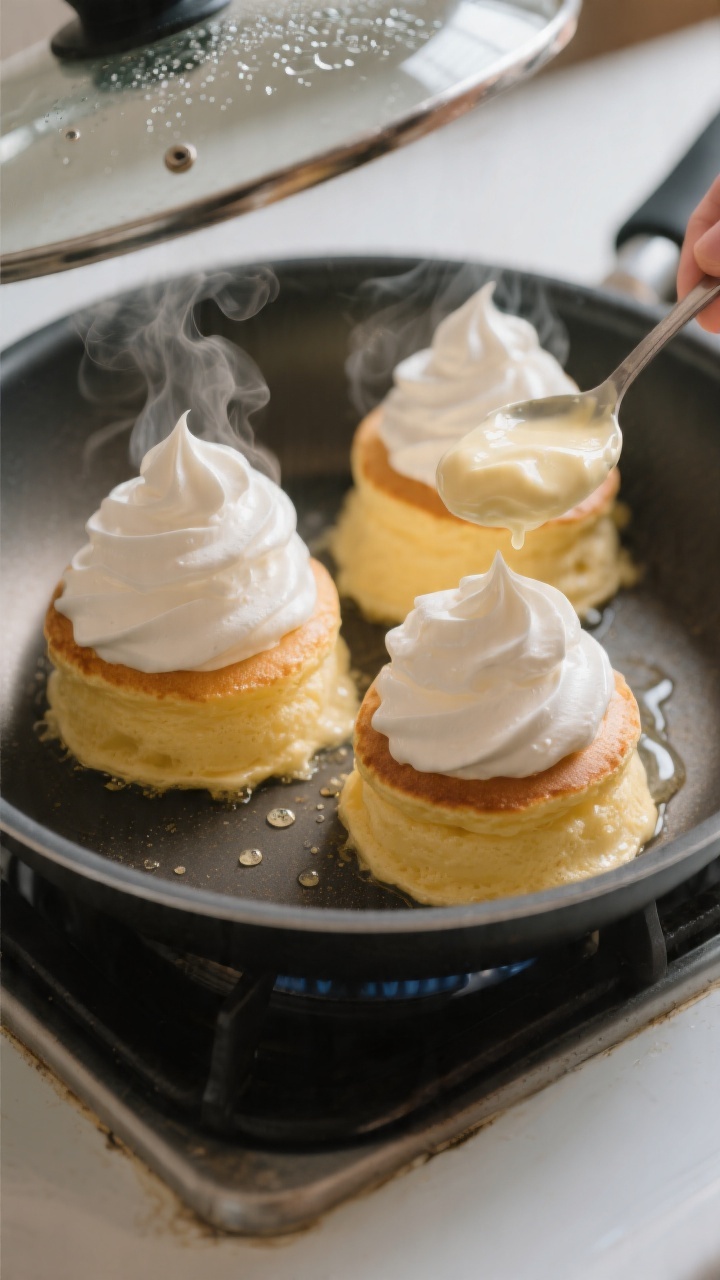
Japanese soufflé pancakes are all about texture. They rise high thanks to a glossy meringue folded into a simple batter.
Unlike regular pancakes, they cook low and slow with a lid, trapping steam to help them puff. The result is a jiggly, custard-soft center with a lightly crisp exterior. They feel indulgent but taste delicate, never heavy.
Ingredients
- 2 large eggs, separated (room temperature)
- 2 tablespoons whole milk (or oat milk)
- 1/2 teaspoon vanilla extract
- 1/3 cup (40 g) cake flour (or all-purpose flour, sifted)
- 1/2 teaspoon baking powder
- 3 tablespoons sugar, divided
- 1/8 teaspoon cream of tartar (or 1/2 teaspoon lemon juice)
- Pinch of salt
- Neutral oil or butter, for the pan
- 1–2 tablespoons water, for creating steam in the pan
- Optional toppings: powdered sugar, maple syrup, whipped cream, berries, lemon curd
Instructions
- Prep your tools. Use a large nonstick skillet with a lid.
Wipe it lightly with oil, then remove excess with a paper towel. Set heat to low to pre-warm while you make the batter.
- Separate the eggs. Place yolks in one bowl and whites in a clean, grease-free mixing bowl. Any grease will deflate the meringue, so make sure the bowl and whisk are spotless.
- Make the yolk batter. Whisk yolks, milk, and vanilla until smooth.
Sift in flour, baking powder, a pinch of salt, and 1 tablespoon sugar. Mix just until combined; don’t overwork.
- Whip the meringue. Beat egg whites on medium until foamy. Add cream of tartar.
Gradually sprinkle in the remaining 2 tablespoons sugar, beating to glossy medium-stiff peaks. The tip should stand and curl slightly.
- Fold gently. Add one-third of the meringue to the yolk batter and fold to lighten. Add the rest in two additions, using a spatula to lift and turn.
Keep as much air as possible.
- Portion the batter. Keep heat on low. Spoon three mounds of batter into the skillet, spacing them out. Pile the batter high rather than wide.
- Add steam and cover. Drip about 1 tablespoon water into an empty area of the pan (not on the batter).
Cover immediately to trap steam.
- Cook low and slow. After 2 minutes, add a little more batter on top of each mound to boost height. Cover again and cook for another 3–4 minutes, until bottoms are golden and sides look set.
- Flip carefully. Use two spatulas to gently flip each pancake. If they resist, cook another minute before trying.
Add a splash of water again, cover, and cook 3–4 minutes more.
- Check doneness. Pancakes should spring back when pressed and feel set but soft. If wobbly-wet, cover and give them another 1–2 minutes on very low heat.
- Serve immediately. Dust with powdered sugar and add your favorite toppings. These are best enjoyed right away while still warm and jiggly.
How to Store
Soufflé pancakes are best fresh.
They lose height as they cool. If you must store, let them cool, then refrigerate in an airtight container for up to 1 day. Reheat gently in a covered skillet over low heat or in the microwave for 10–15 seconds.
Texture won’t be as airy, but they’ll still taste great.
Benefits of This Recipe
- Light yet satisfying: The meringue makes them fluffy without being dense.
- Easy ingredients: Uses pantry staples—eggs, flour, sugar, and milk.
- Brunch-worthy look: Tall and jiggly pancakes feel special without fancy tools.
- Customizable: Works with citrus zest, cocoa, matcha, or fruit add-ins.
Common Mistakes to Avoid
- Overbeating or underbeating meringue: Aim for medium-stiff peaks. Too soft and pancakes won’t rise; too stiff and the batter won’t fold smoothly.
- Rushing the cook: Keep heat low and use a lid. High heat burns the bottoms and leaves the center raw.
- Deflating the batter: Fold gently and don’t let the batter sit too long.
Cook right away for maximum height.
- Greasy bowl or tools: Any fat inhibits meringue. Use clean, dry equipment.
- Skipping steam: A little water in the pan helps the pancakes puff and cook evenly.
Variations You Can Try
- Matcha: Sift 1–2 teaspoons matcha with the flour for a delicate green tea flavor.
- Lemon Ricotta: Add 2 tablespoons ricotta and 1 teaspoon lemon zest to the yolk batter; reduce milk slightly.
- Chocolate: Replace 1 tablespoon flour with cocoa powder and add chocolate chips to the top after spooning batter into the pan.
- Berry Burst: Gently press a few blueberries or raspberries into the batter once in the skillet.
- Cinnamon Sugar: Add 1/2 teaspoon cinnamon to the dry mix; finish with a cinnamon-sugar dusting.
FAQ
Why are my pancakes flat?
Most often, the meringue wasn’t whipped enough or got deflated during folding. Make sure you have medium-stiff peaks and fold with light, sweeping motions.
Also, cook immediately after mixing so the batter doesn’t lose air.
Can I make them gluten-free?
Yes. Use a 1:1 gluten-free baking blend and sift well. Add an extra teaspoon of milk if the batter seems too thick.
Do I need ring molds?
No.
You can scoop batter into tall mounds and cook low and slow with a lid. Ring molds help with height and shape, but they’re optional.
How do I know when to flip?
The edges should look set, the bottom golden, and the pancake should move with a gentle nudge. If it tears when lifting, give it another minute.
Use two spatulas for support.
My pancakes taste eggy—what went wrong?
They may be undercooked. Keep heat low and extend covered cooking by 1–2 minutes per side. A splash of vanilla and a pinch of salt also balance the flavor.
Can I double the recipe?
Yes, but cook in batches and keep the batter moving.
Don’t let whipped batter sit too long. If needed, re-whip the last portion of whites lightly before folding.
What’s the best pan temperature?
Low heat is key. If a drop of water dances gently, you’re close.
If it sizzles aggressively or smoke appears, it’s too hot.
Can I bake them instead?
You can, but texture changes. For a hybrid method, start in a skillet for structure, then finish in a 300°F (150°C) oven for a few minutes until set.
Wrapping Up
Japanese soufflé pancakes feel like a special-occasion brunch, yet they use everyday ingredients and simple steps. With a steady low flame, a covered pan, and a well-whipped meringue, you’ll get that signature jiggle and melt-in-your-mouth bite.
Keep the technique gentle, serve them right away, and enjoy the fluffiest pancakes you’ll ever make at home.
Printable Recipe Card
Want just the essential recipe details without scrolling through the article? Get our printable recipe card with just the ingredients and instructions.